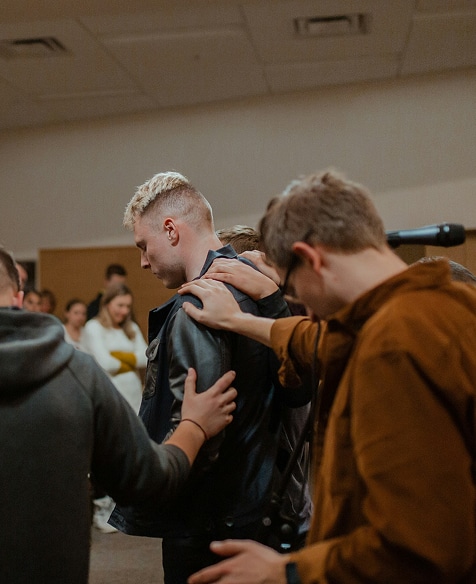
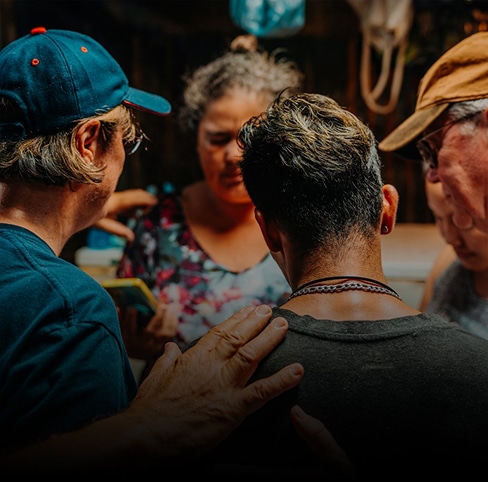
Training at WOF begins by forming disciples who are rooted in Scripture. We do not approach the Bible as information alone, but as God’s authoritative Word that renews the mind and reshapes the whole life of a disciple (2 Tim 3:16–17; Rom 12:2; John 8:31).
Training is not merely strengthening personal resolve. It is the process of being formed and built up within the body of Christ (Eph 4:11–13), learning love and holiness through the gospel (1 Pet 1:15–16), and being prepared to bear witness to Christ in real life (Acts 1:8).
We give focused care to youth and students because these years shape a person’s direction and worldview (Eccl 12:1). Yet our goal is not a short-lived surge of enthusiasm—it is lasting discipleship. We train with a generational horizon: disciples who mature, build households of faith (Deut 6:4–9), and pass the faith on (Ps 78:4–7), so the Church is strengthened and the Kingdom of God is pursued first (Matt 6:33).
Explore PathwaysTraining is foundational for the Church. The Word establishes our direction (Josh 1:8), prayer deepens dependence (Col 4:2), and community shapes character and lived love (John 13:34–35). Without deep formation, discipleship becomes fragile—driven by pressure, trend, or emotion rather than truth.
We are a people redeemed by the blood of Christ (1 Pet 1:18–19), called as a royal priesthood (1 Pet 2:9). Training is the pathway where identity becomes life, so Paul’s confession—“Christ lives in me” (Gal 2:20)—becomes direction rather than slogan (Luke 9:23).
Our goal is not merely “capable workers,” but disciples who strengthen the body of Christ (1 Cor 12:12–27).
We pray our training forms disciples who are:

Training is foundational for the Church. The Word establishes our direction (Josh 1:8), prayer deepens dependence (Col 4:2), and community shapes character and lived love (John 13:34–35). Without deep formation, discipleship becomes fragile—driven by pressure, trend, or emotion rather than truth.
We are a people redeemed by the blood of Christ (1 Pet 1:18–19), called as a royal priesthood (1 Pet 2:9). Training is the pathway where identity becomes life, so Paul’s confession—“Christ lives in me” (Gal 2:20)—becomes direction rather than slogan (Luke 9:23).

This pathway forms Word-stewards—faithful and wise servants who feed the household of God “at the proper time” until the Master returns (Matt 24:45; Luke 12:42). We train teachers who handle Scripture rightly (2 Tim 2:15), teach Christ-centered truth, and build up communities with faithfulness and discernment (1 Cor 4:1–2).

Missionary School prepares disciples to embody the Great Commission (Matt 28:18–20). Mission is not only “going,” but proclaiming the gospel, making disciples, leaving communities of faith, and raising and se nding others (2 Tim 2:2). We form gospel-centered conviction (1 Cor 15:3–4), Spirit-dependent witness (Acts 1:8), cross-cultural wisdom and love (1 Cor 9:22–23), and community-based sending (Acts 13:2–3), so mission bears lasting fruit.
Training begins in community. Start with a local fellowship, then enter a pathway for your season. Training is also a place of restoration and rebuilding (Isa 61:1–3). God forms people through small obedience and opens the road toward the nations (Zech 4:10).